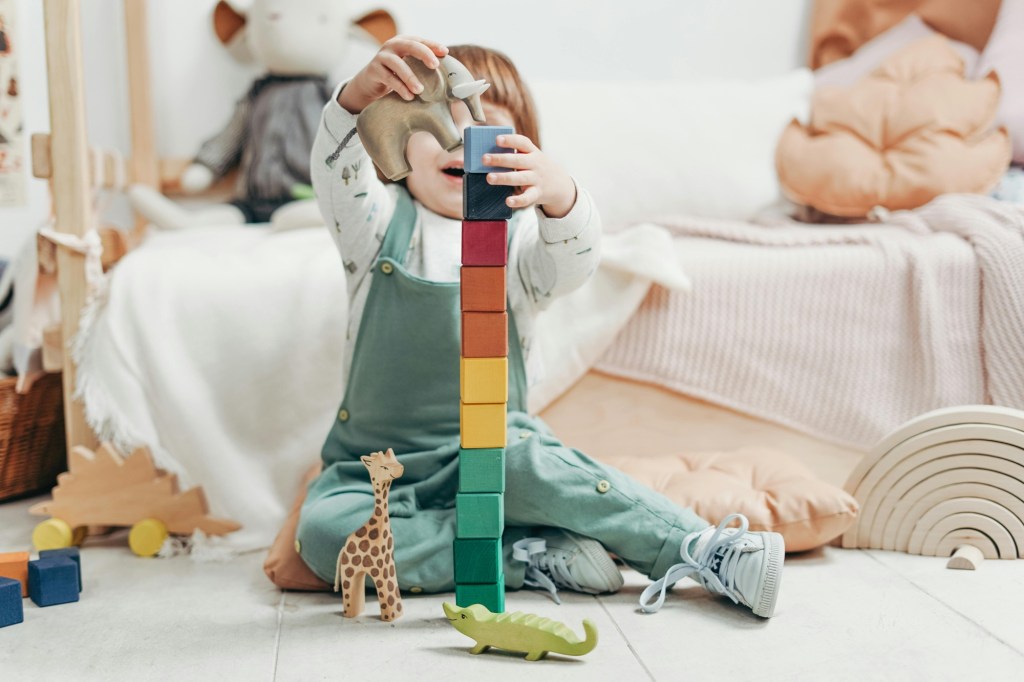
Pattern recognition activities are a vital component of a child’s cognitive development, playing a crucial role in shaping their problem-solving skills, logical thinking, and memory. By engaging in pattern recognition activities, children can develop essential skills that will benefit them throughout their lives, from academics to personal relationships.
Toddlers (1-2 years old)
At this stage, children are beginning to explore their environment and develop an understanding of the world around them. Pattern recognition activities can help toddlers develop their cognitive skills, hand-eye coordination, and fine motor skills. Simple Activities such as:
- Sorting toys by shape, color, or size
- Stacking blocks or cups in a specific pattern
- Identifying and imitating simple patterns, like clapping or marching
can help lay the foundation for more complex pattern recognition skills later on. These activities can incorporated into daily routines, such as during playtime or while reading books with simple, repetitive patterns.
Toddlers (2-3 years old)
As children enter this age group, they begin to demonstrate a greater understanding of patterns and can start to develop more complex skills. Pattern recognition activities can help 2-3 year olds :
- Develop problem-solving skills and critical thinking
- Improve their memory and concentration
- Enhance their language skills through descriptive vocabulary
Some engaging pattern recognition activities for this age group include:
- Crating simple patterns with blocks, such as “red, blue, red, blue”
- Identifying and completing patterns in a sequence, like “big, bigger, biggest”
- Using everyday objects, like toy cars or stuffed animals, to create patterns on a mat or table
Preschool (4-5 year olds)
At this stage, children are refining their pattern recognition skills and can apply them to more complex tasks. Pattern recognition activities can help 4-5 year olds:
- Develop mathematical concepts, such as geometry and algebra
- Enhance their problem-solving skills and logical thinking
- Build their confidence and self-esteem through successful pattern recognition
Some fun and challenging pattern recognition activities for this age group include:
- Creating and extending patterns using beads, shapes, or colors
- Making friendship bracelets with repeating patterns
- Solving simple puzzles or mazes that require pattern recognition
By incorporating pattern recognition activities into your child’s daily routine, you’re providing them with a solid foundation for future academic success and beyond. As your child grows and develops, these skills will translate into improved problem-solving abilities, enhances critical thinking, and a greater understanding of the world around them. By starting early and making pattern recognition fun and engaging, you’re giving your child the gift of a lifetime: a strong foundation for a bright and curios mind.



 Little Scholars Workshop
Leave a comment