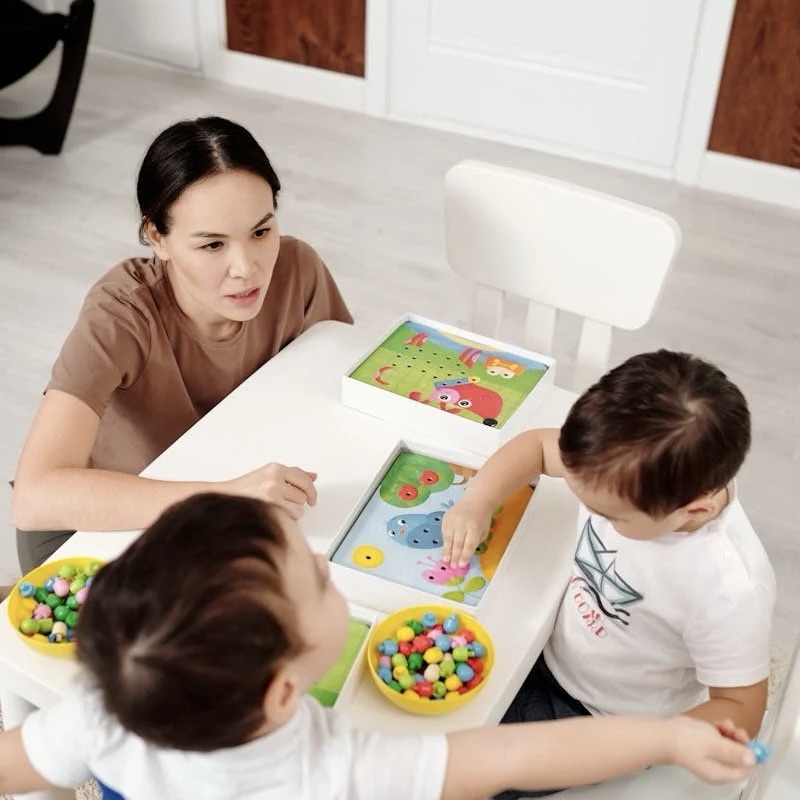
In the realm of early childhood education, play-based learning stands out as a transformative approach. This method harnesses the natural curiosity of toddlers and preschoolers, promoting learning through joyful, hands-on experiences. Whether in a traditional classroom setting or at home, incorporating play-based learning can significantly enhance your child’s development. Discover what play-based learning truly is—and isn’t—along with practical ways to effectively use it to enrich your teaching, homeschooling, and parenting efforts.
Are You doing Play-Based Learning Right?
What Play-Based Learning is NOT
– Rote Learning: It doesn’t rely on repetitive drills or memorization.
– Structured Yet Rigorous: While it has structure, it’s not rigid or overly controlled.
– Passive Learning: It avoids activities where children are passive recipients of information.
– One-Size-Fits-All: Play-based learning adapts to the unique needs and pace of each child.
What Play-Based Learning IS
– Interactive and Engaging: Children engage in self-directed play that encourages active exploration and discovery.
– Holistic Development: It focuses on the overall growth of a child, including cognitive, social, emotional, and physical development.
– Child-Led: Activities are guided by the child’s interests and choices, fostering a sense of autonomy and intrinsic motivation.
– Hands-On: Emphasis on tactile activities that encourage sensory experiences and fine motor skills.
How to Effectively Use Play-Based Learning in the Classroom and at Home
1. Create a Stimulating Environment
Classroom
– Stations with Specific Themes: Set up different play stations focused on themes like building blocks, water play, and art, each promoting various aspects of development.
– Accessible Materials: Ensure materials are within reach and safe for independent exploration.
Home
– Dedicated Play Area: Designate a space where your child can freely play and learn.
– Storage Solutions: Use bins and shelves to organize toys and materials, making clean-up easy and fostering responsibility.
2. Incorporate Open-Ended Activities
– Building Blocks: Encourage creativity and problem-solving by letting children construct their own designs.
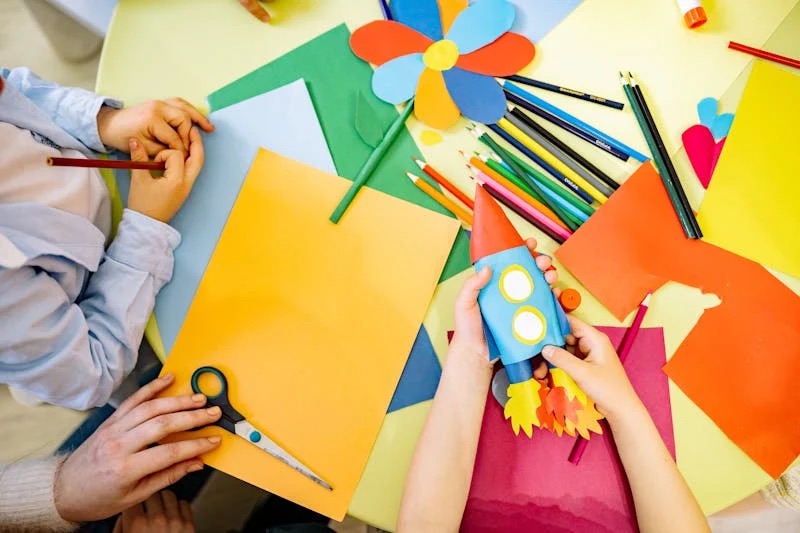
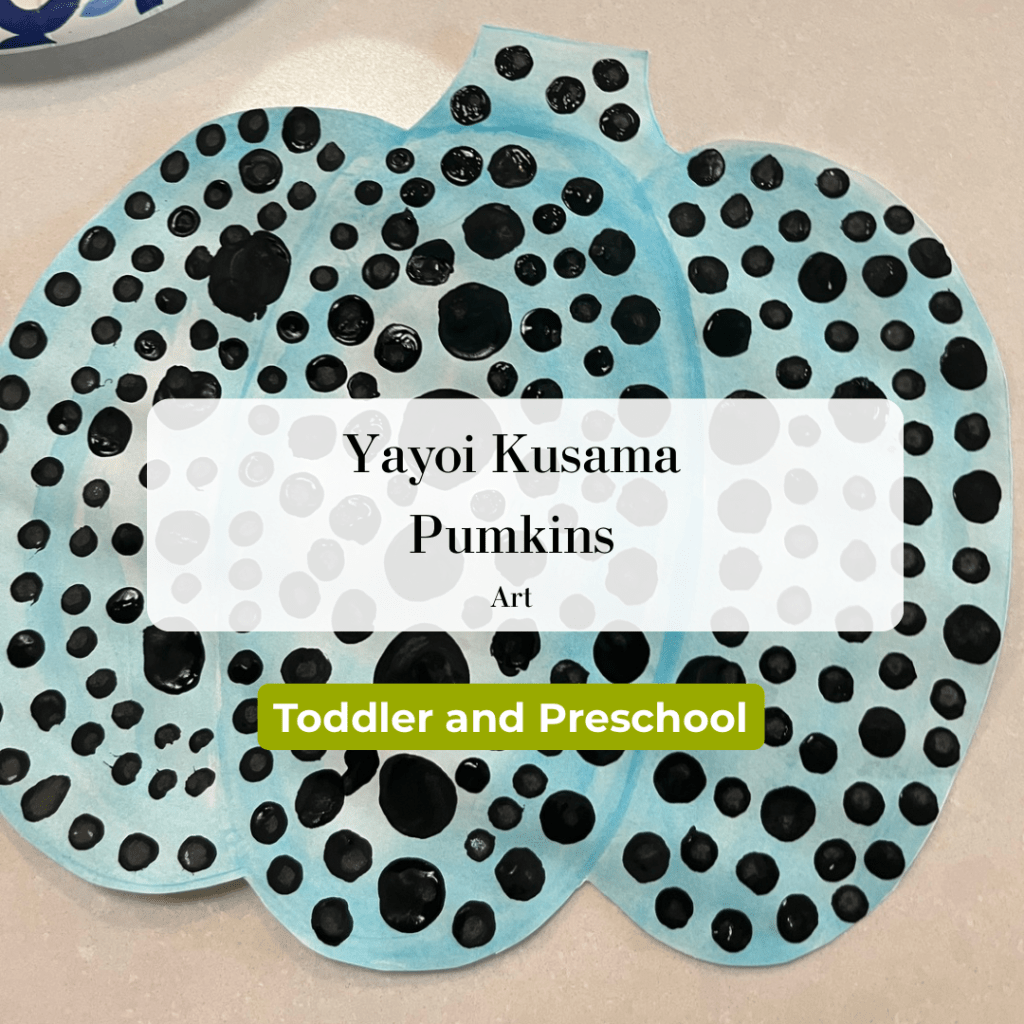
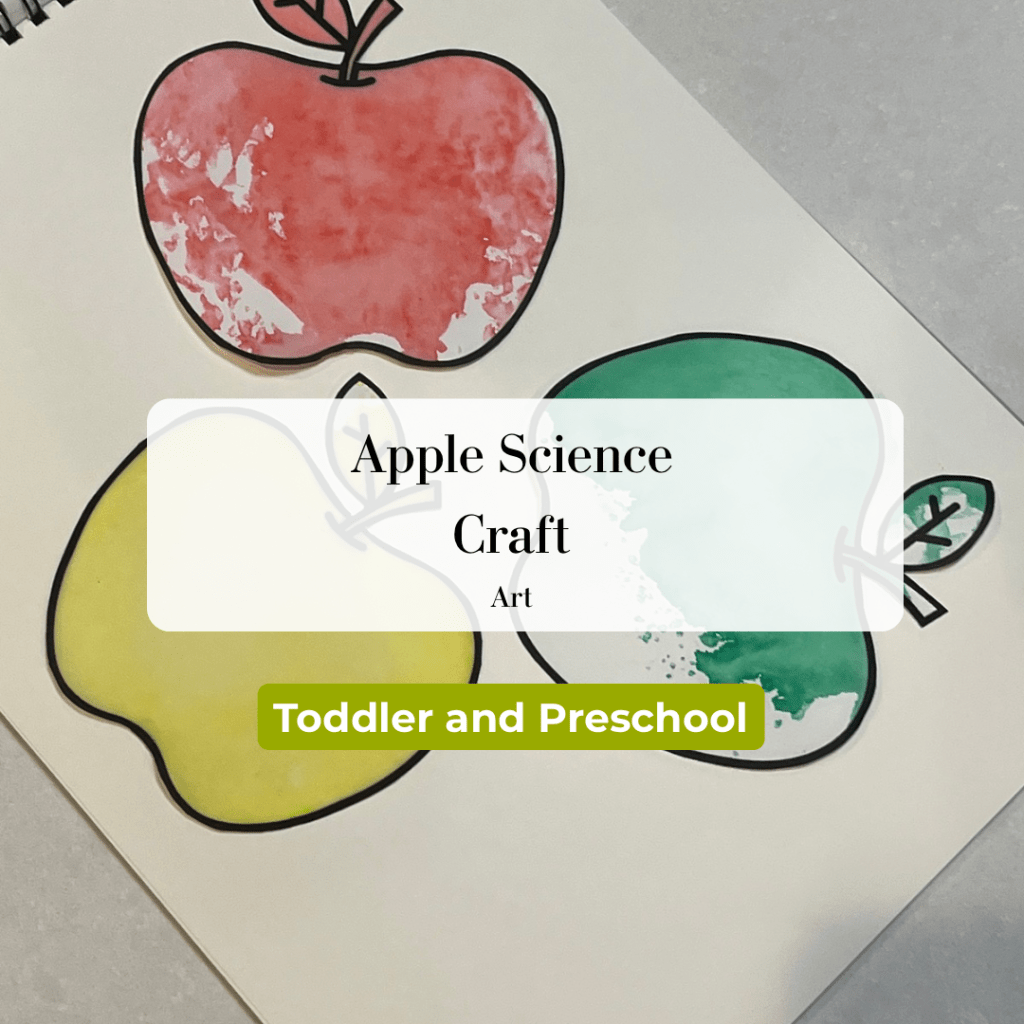
– Art Supplies: Provide crayons, markers, paints, and different types of paper for them to express themselves artistically.
Try this:
1. Lay out various building blocks or materials.
2. Allow the child to build anything they imagine.
3. Engage by asking questions like, “What are you building?” or “Can you tell me about your creation?”
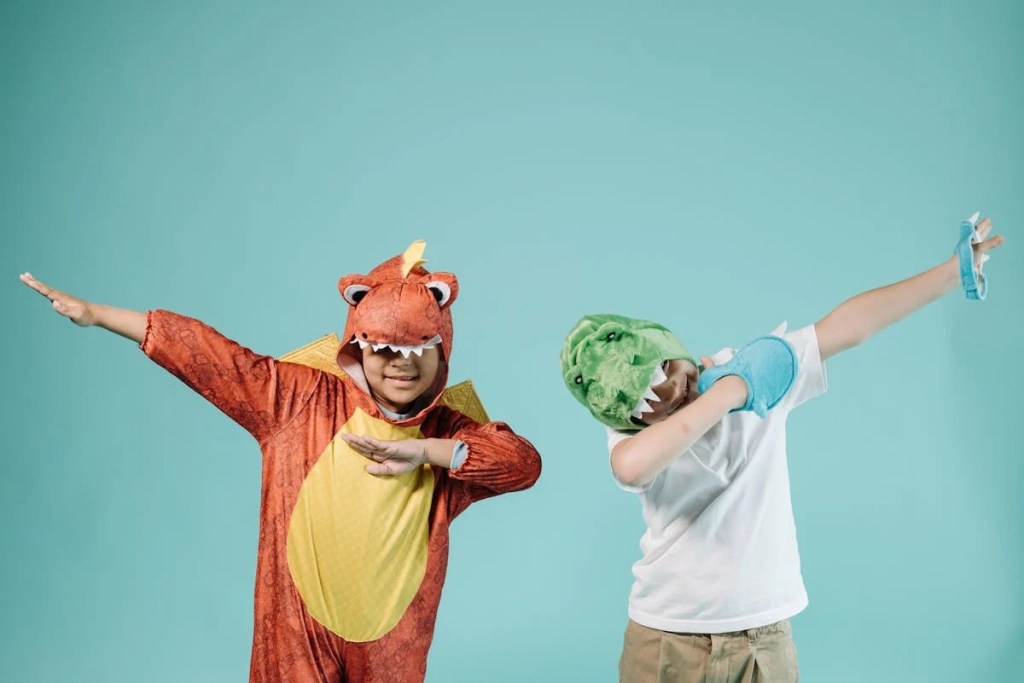
3. Integrate Thematic Play
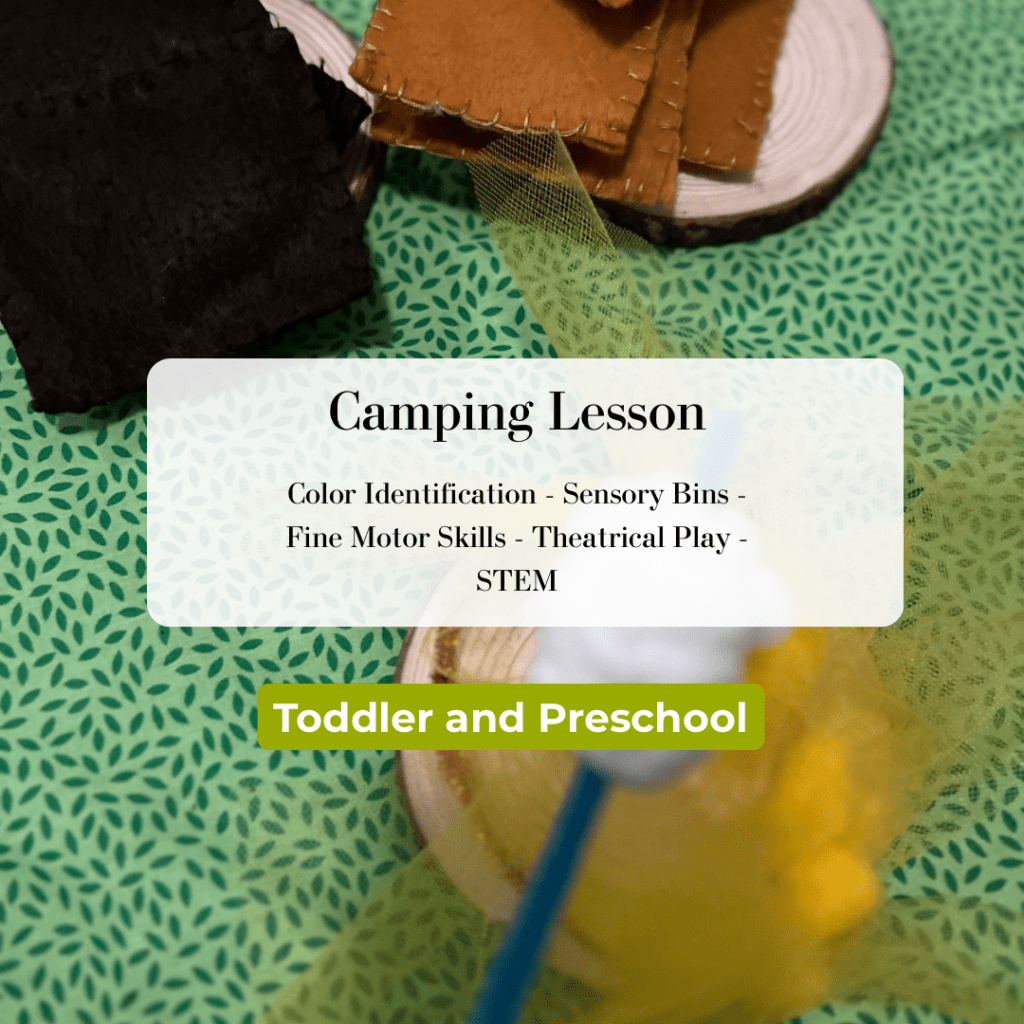
– Role-Playing: Set up scenarios like a kitchen, grocery store, or doctor’s clinic to facilitate imaginative play and social skills.
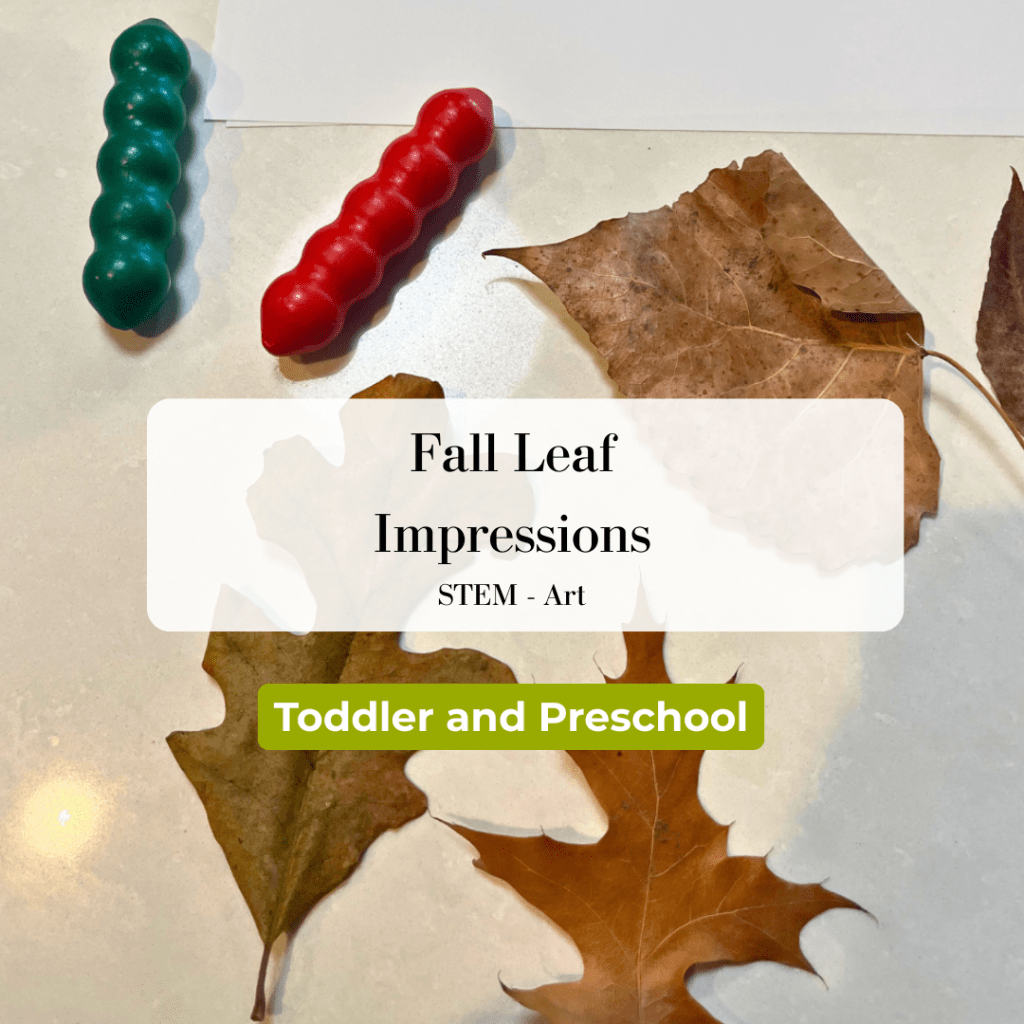
– Nature Exploration: Use sensory bins filled with natural elements like sand, water, leaves, and rocks to foster curiosity about the world.
Try this:
1. Choose a theme based on the child’s interests.
2. Gather related props and materials.
3. Let the child take the lead in creating roles and stories.
Basic Materials for Various Activities
– Building blocks
– Art supplies (crayons, markers, paints)
– Sensory bins (sand, water, leaves, rocks)
– Puppets and costumes for role-playing
– Musical instruments
– Puzzles and sorting games
Embracing play-based learning can be a game-changer in the journey of educating toddlers and preschoolers. It nurtures their inherent love for discovery and equips them with crucial life skills in a joyful and natural way. Remember, the goal is not to control their learning but to create opportunities that inspire and support their endless curiosity. So, dive into the world of play with an open heart and watch your little ones thrive and grow into confident, capable individuals. Happy playing and learning!


 Little Scholars Workshop
Leave a comment