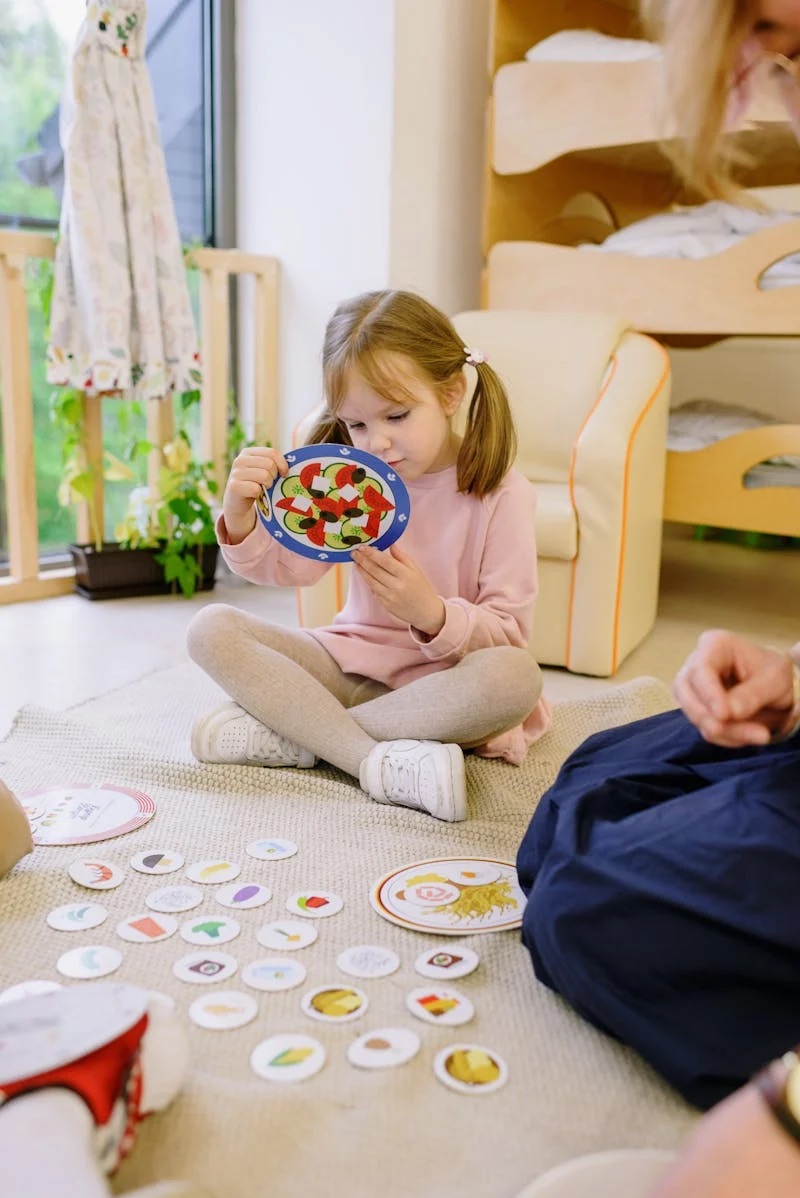
Navigating the world of homeschooling can be both rewarding and challenging, especially when you’re balancing the roles of parent and teacher. For preschoolers, the blend of play and education is crucial as it lays the groundwork for lifelong learning. Here are some supportive tips and effective strategies to help you manage a play and education system that nurtures your child’s curiosity and enthusiasm.
Embrace the Power of Play
Play is a child’s primary way of learning, so it’s crucial to incorporate it into your daily routine.
Here’s how to make playtime educational:
Thematic Play Areas:
Create different themed areas in your home (e.g., a kitchen corner, a science corner). Each area can focus on specific skills—like counting in the kitchen or exploring nature in the science corner.
Interactive Learning Action
Use everyday items to foster educational play. For example, blocks can teach shapes and numbers while dolls can help develop storytelling skills.
Structure Your Day
While flexibility is a hallmark of homeschooling, providing a loose structure can help both you and your child feel more organized.
- Create a Daily Schedule: Outline a routine that includes designated times for play, learning activities, meals, and rest. Remember, learning can happen at any time, so stay flexible!
- Incorporate Breaks: Young children have shorter attention spans. Schedule regular breaks to keep their energy high and spirits engaged.
Focus on Exploration Learning
Encourage your preschooler to explore the world around them. Here’s how:
- Nature Walks: Take your preschooler on nature walks to observe plants, animals, and weather patterns. Engaging in simple scavenger hunts can also enhance their exploration.
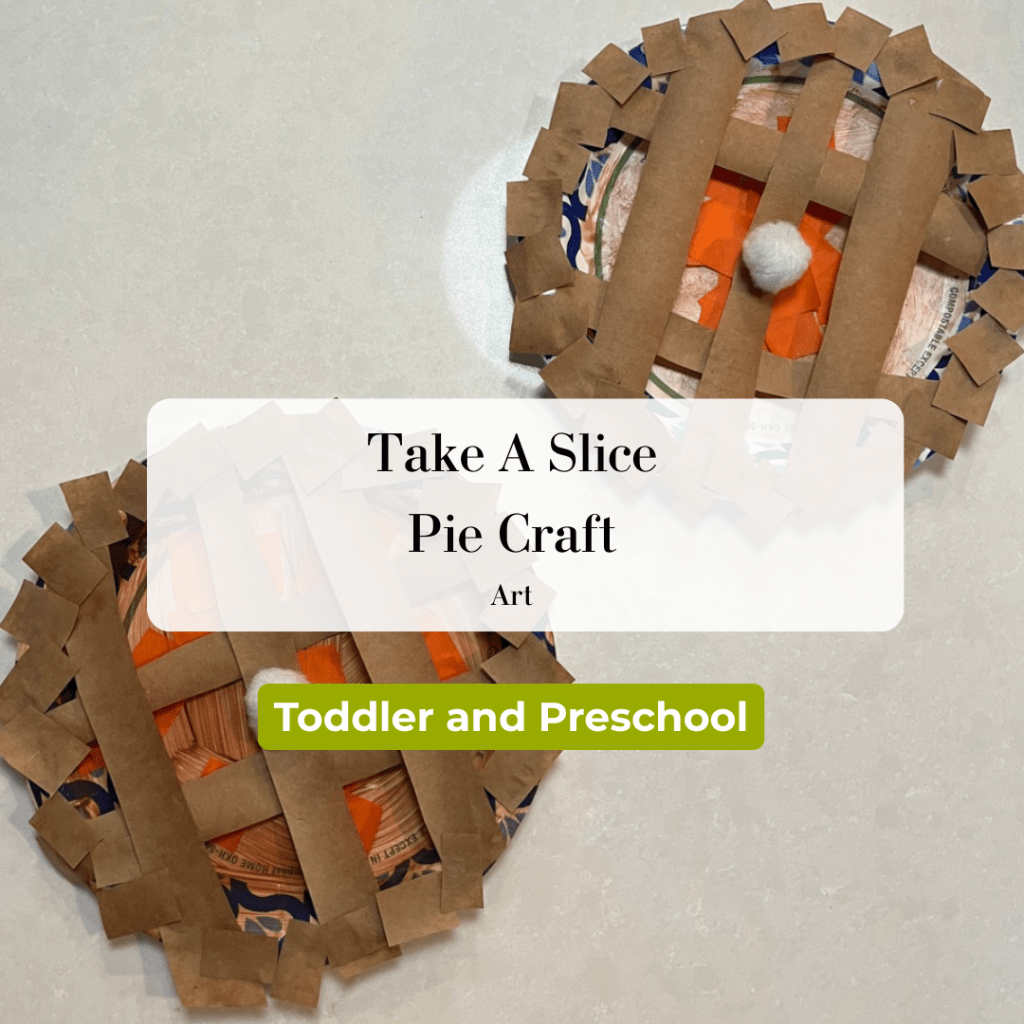
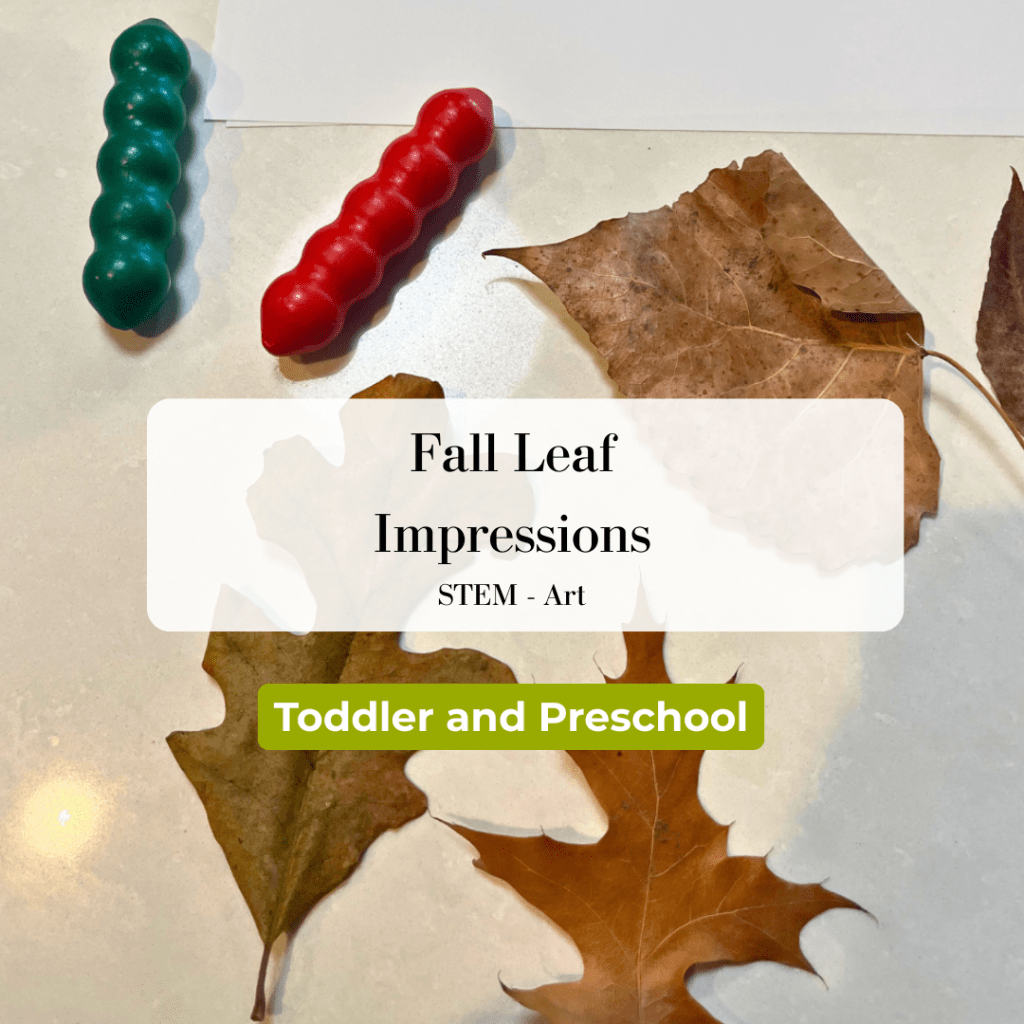
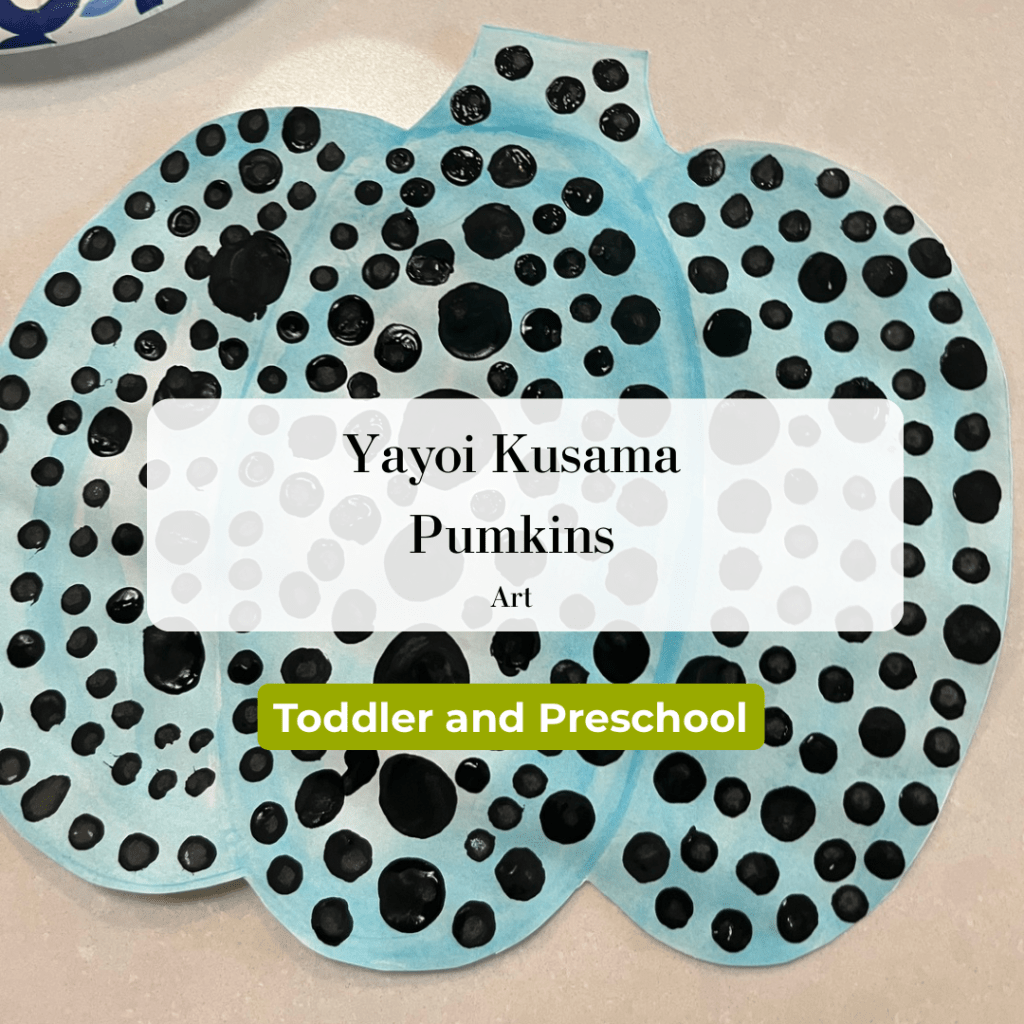
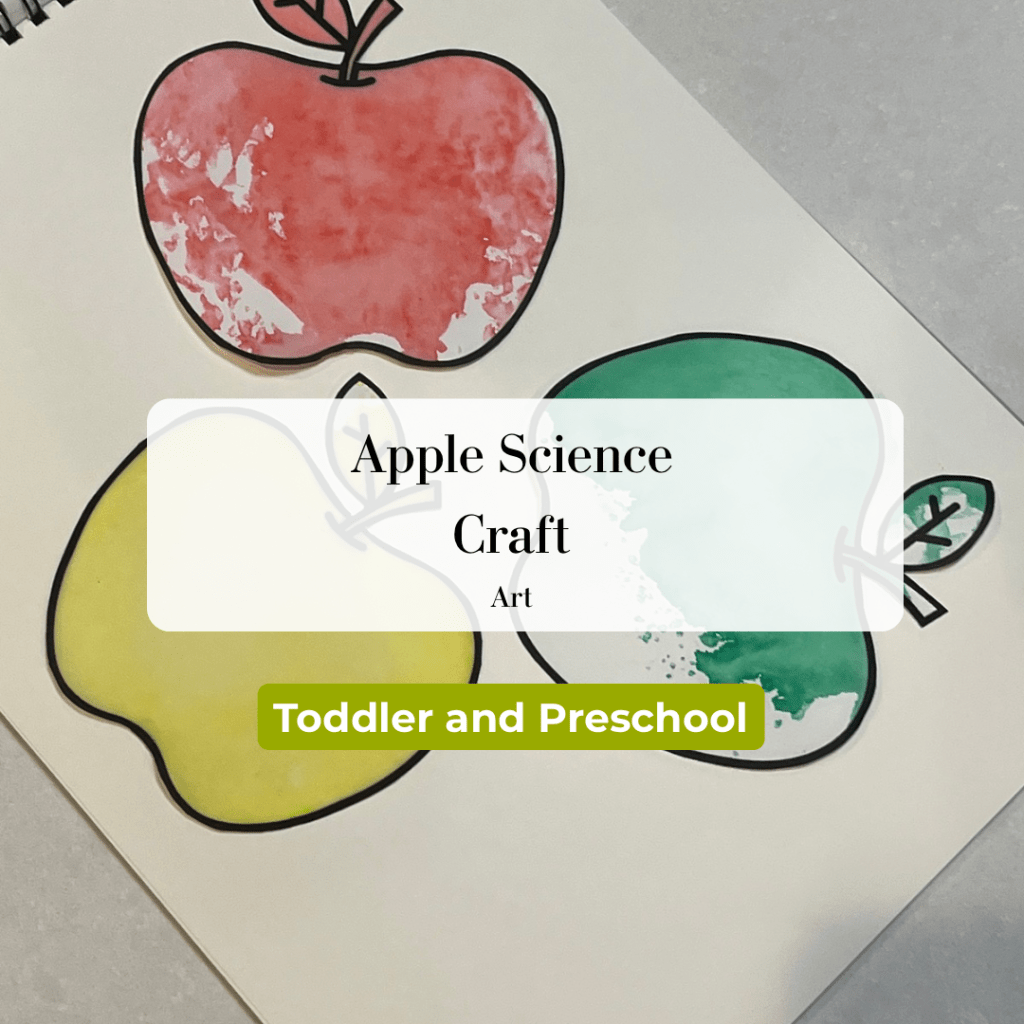
- Art and Creativity: Provide various materials for arts and crafts. Allowing free expression through art helps develop fine motor skills while sparking creativity.
Utilize Resources
There are countless resources available for homeschooling parents. Choose what works best for your child’s learning style and interests:
- Books and Workbooks: Select age-appropriate books that engage your child’s interest. Incorporate workbooks that focus on pre-reading, math, and critical thinking skills.
- Online Learning Tools: Utilize educational apps and websites that offer interactive learning experiences tailored for preschoolers.
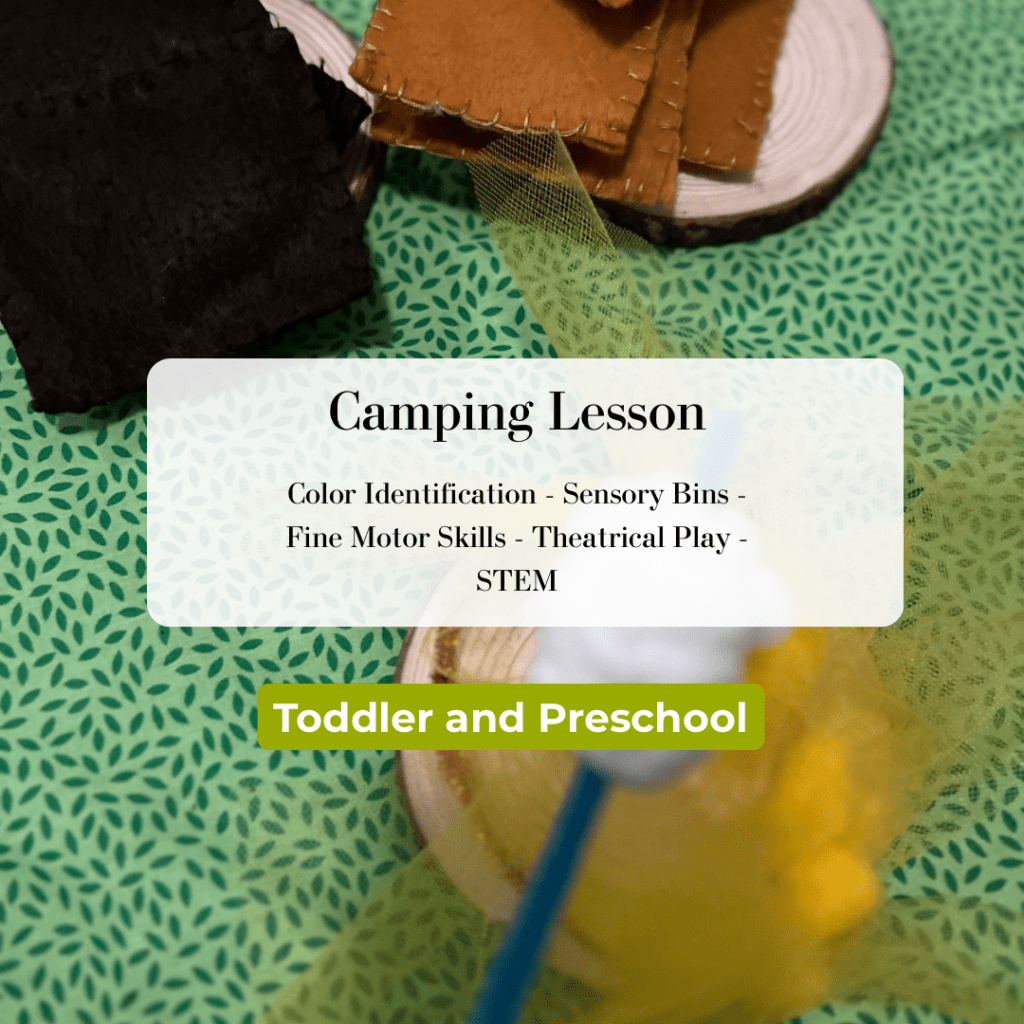
Several Free Parent Guide activities are available on our site that cover a variety of S.T.E.M, Literacy and other important educational subjects.
Foster Socialization
Socialization is vital for a well-rounded education. Here are some ideas to encourage interaction with peers:
- Homeschool Groups: Join local homeschooling co-ops or groups where you can meet other parents and children. Organizing playdates can also provide valuable social interaction.
- Community Activities: Look for classes or activities in your community geared towards young children, such as art classes, gym time, or story hours at the library.
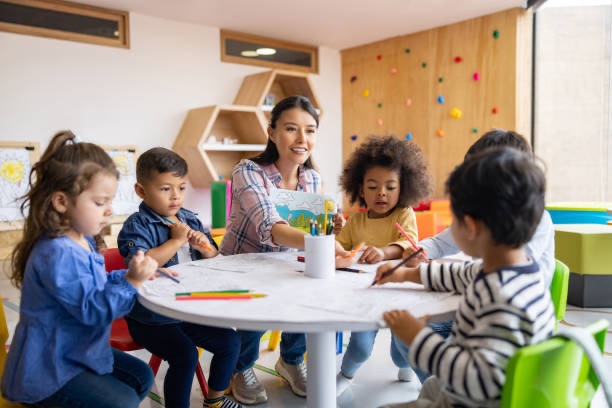
Peer interaction can heavily influence your child’s development and ability to learn
Reflect & Adapt
Regular reflection on what is working and what isn’t can significantly enhance your approach.
- Monthly Reviews: Set aside time each month to review your child’s progress and interests. This will help you adapt your teaching methods and materials accordingly.
- Stay Positive: Celebrate accomplishments, no matter how small, and maintain a positive attitude toward learning. Your energy and enthusiasm can greatly influence your child’s mindset.
Managing a play and education system with a homeschool preschooler may seem daunting, but with a little creativity and structure, it can be an enjoyable experience for both of you. By embracing play, setting a flexible routine, utilizing resources, fostering social interaction, and continually reflecting on your approach, you’ll create a rich learning environment for your little one. Remember, you are not only a teacher—you are also your child’s most important supporter. Happy homeschooling!


 Little Scholars Workshop
Leave a comment