
As parents, it’s essential to be informed about the effects of red dye and processed foods on our children’s behavior. While colorful additives may enhance the appearance of snacks and treats, they can also have potential implications for various aspects of a child’s well-being. Let’s explore the factual effects of food coloring on sleep, focus, emotions, brain development, and social behaviors to empower parents to make informed choices for their little ones.
- Sleep: Some studies suggest that certain food dyes, particularly Red 40, may have a stimulating effect on children, potentially affecting their ability to fall asleep or stay asleep. It’s worth monitoring your child’s intake of such additives, especially close to bedtime, to ensure restful sleep.
- Focus: Research findings on the impact of food dyes on focus and attention in children have been mixed. While some studies suggest a link between artificial food colors and hyperactivity in some children, others have not found conclusive evidence. Observing your child’s behavior after consuming foods with artificial colors can help you gauge any potential effects on focus.
- Emotions: Red dye and other artificial food colors have been associated with changes in mood and emotions in some children. While not all kids may be affected in the same way, it’s essential to be mindful of any noticeable shifts in your child’s emotional state after consuming products containing these additives.
- Brain Development: Limited research exists on the direct impact of food dyes on brain development in children. However, maintaining a balanced diet rich in nutrients and minimizing exposure to artificial additives can support overall cognitive growth and development.
- Social Impairment: While not directly linked to red dye consumption, some studies have explored the potential impact of certain food additives on social behaviors in children. Being aware of your child’s diet and its components can contribute to promoting healthy social interactions and communication skills.
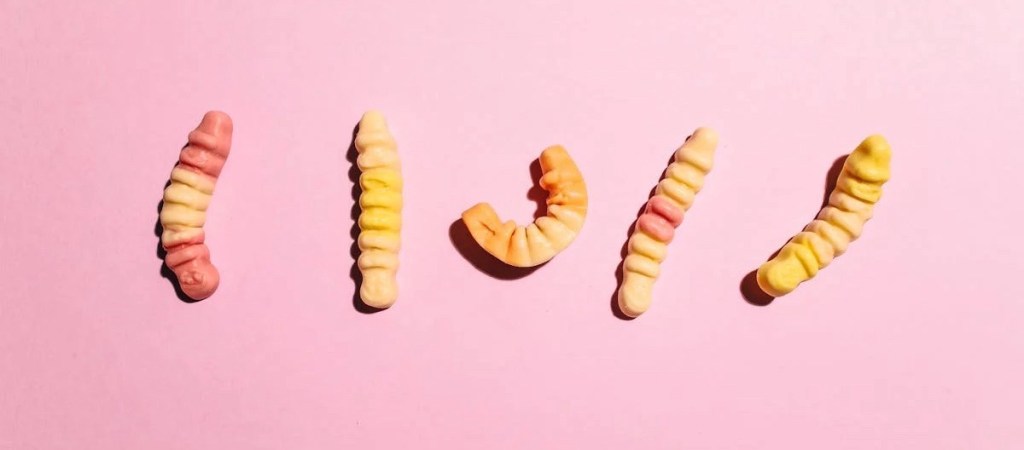
By staying informed about the effects of red dye and processed foods on children’s behavior, parents can make educated decisions when selecting food options for their families. Remember, every child is unique, and what works for one may not apply to another. Observing your child’s individual response to different foods and additives can guide you in making choices that align with their well-being and overall health.
Empower yourself with knowledge, engage in open discussions with healthcare providers, and prioritize a balanced diet filled with whole, natural foods to support your child’s growth and development. Together, we can create nourishing environments where children can thrive and flourish to their fullest potential.




 Little Scholars Workshop
Leave a comment