-
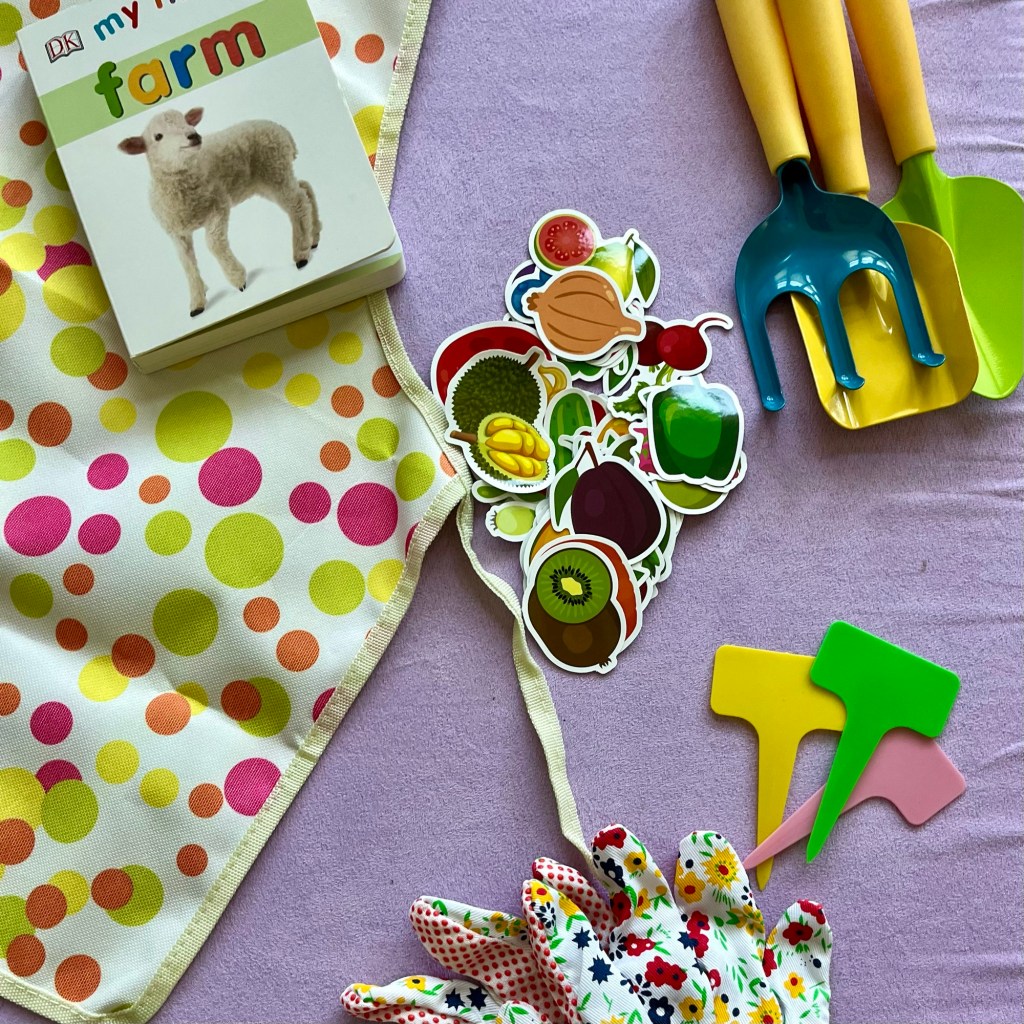 Continue reading →: Fun and Easy Toddler Agriculture Activities
Incorporating these activities into your daily routine helps to make learning an enjoyable and memorable experience for your child. It provides a practical and playful way to reinforce developmental milestones while also instilling an early love for learning and exploration
-
 Continue reading →: Cultivating Curiosity: Why Introducing STEM Concepts Early is Crucial for Young Children
Introducing Science, Technology, Engineering, and Mathematics, aka S.T.E.M. , concepts at an early age lays a strong foundation for children’s cognitive development, critical thinking skills, and problem-solving abilities. Parents plays a crucial role in fostering a love for STEM in their young children, creating an environment that encourages curiosity, exploration,…
-
 Continue reading →: Creating Harmonious Homes: The Power of Boundaries for Stronger Mother-Child Relationships
Practical Strategies to setting Boundaries with Transformative Impact In today’s world, where screens compete for attention and schedules overflow with commitments, it’s easy for boundaries to blur and emotions to run high. As an active mother navigating the complexities of raising children, it’s natural to feel overwhelmed at times. But…
-
 Continue reading →: Unlocking Pattern Recognition: A Key to Cognitive Development in Children
Pattern recognition activities are a vital component of a child’s cognitive development, playing a crucial role in shaping their problem-solving skills, logical thinking, and memory. By engaging in pattern recognition activities, children can develop essential skills that will benefit them throughout their lives, from academics to personal relationships. Toddlers (1-2…
-
 Continue reading →: Guiding Growth: Parents’ Role in Cultivating and Enriching Their Child’s Sensory Exploration
Providing sensory input and experiences for babies and toddlers is essential for nurturing their overall development. By incorporating a variety of sensory-rich activities into daily routines, caregivers can support cognitive, emotional, physical, and language development in young children.
Our Mission

At Little Scholars Workshop, we provide a one-of-a-kind educational experience that supports young minds in a holistic way. Our focus is on meeting the emotional and behavioral needs of each child, while inspiring a love for learning through engaging S.T.E.M. activities, literacy, and critical thinking programs. Join us and let’s inspire a lifelong love of learning together!
Let’s connect
Join the fun!
Inspiration and Insights Delivered Right to Your Inbox ~ Subscribe Now

 Little Scholars Workshop